
About

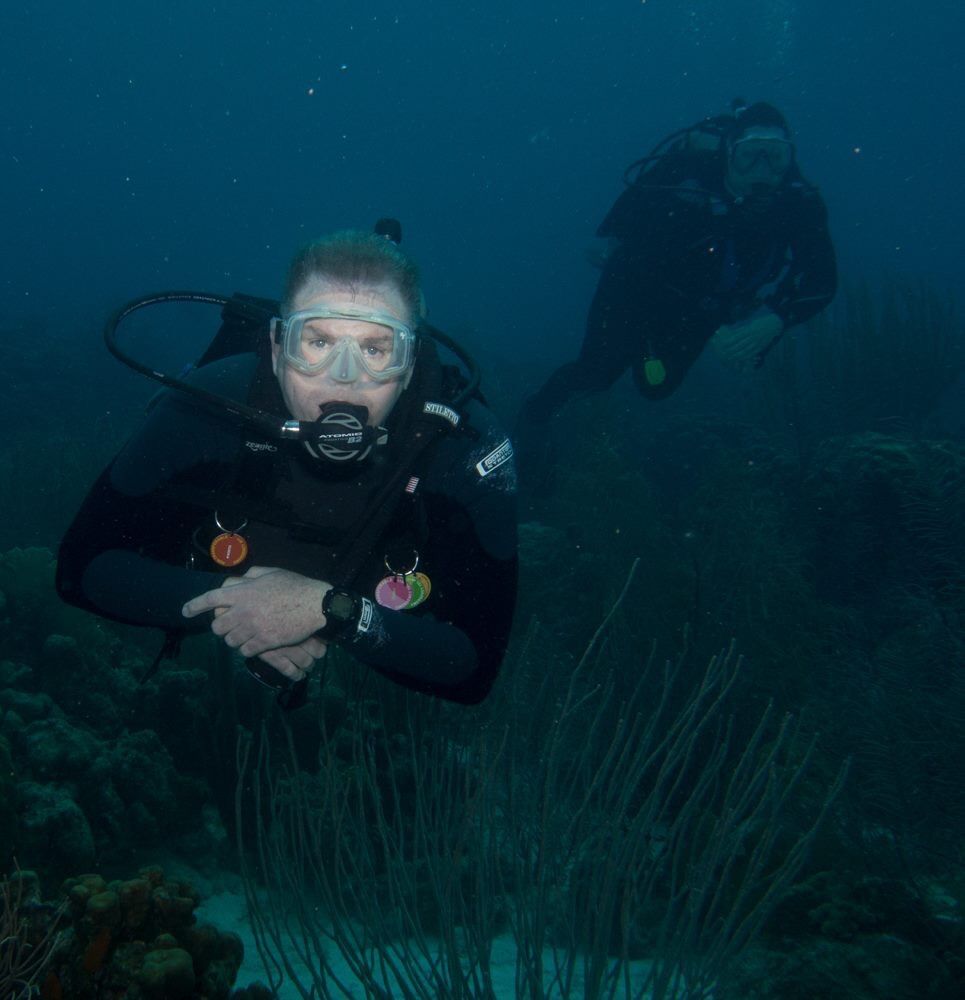
Leonardo on a bike at the top of a mountain

Leonardo Cruz

Consulting Engineer

Leonardo Cruz supports a diverse portfolio of companies across the energy spectrum, providing geomechanical expertise for projects ranging from lithium extraction and CO₂ injection to traditional and unconventional oil and gas operations. By bridging the gap between reservoir geomechanics and engineering, he helps clients navigate complex resource optimization challenges.

Leonardo began his career in 1997 at PDVSA, where he built a strong foundation in drilling operations. He later transitioned into advanced academic research, earning a PhD from the University of Minnesota and completing a postdoctoral fellowship at Stanford University.

This technical background led to roles at GeoMechanics International (GMI) and Baker Hughes, where he focused on wellbore stability and hydraulic fracture challenges. Most recently, Leonardo spent several years at Equinor, applying advanced geomechanical workflows to optimize large-scale global assets. In his work with ResFrac, Leonardo leverages this deep experience to support clients to deploy industry-leading modeling and technology.

When he isn’t solving subsurface puzzles, Leonardo is an avid cyclist. A dedicated age-group racer and social rider, he brings the same discipline, endurance, and competitive spirit from the road to his technical consulting projects.

Leonardo's posts

Production impact of horizontal fractures

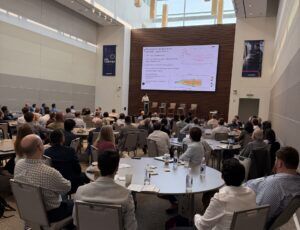
At the 2025 SPE International Hydraulic Fracturing Technology Conference, we (Dontsov, Zoback, McClure, and Fowler) presented “Hydraulic Fracture Propagation Along Bedding Planes Might Be More Prevalent Than We Think” (SPE-226637). The paper reviewed case studies with evidence of horizontal or bedding plane fractures from microseismic, fiber optics, core observations, and casing deformation.

Read more

Testing the new Kryvenko model for proppant washout

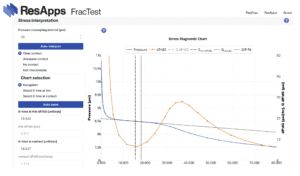
What controls proppant placement during hydraulic fracturing? As described in Chapter 8 from McClure et al. (2025), ResFrac incorporates a variety of physical processes – viscous drag, gravitational settling, hindered settling, clustered settling, bed slumping, and more. In addition, ResFrac accounts for the complex physics associated with proppant flowing out of the wellbore (Dontsov, 2023; Ponners et al., 2025).

Read more

Meet the ResFrac team

Learn why both independents and supermajors trust ResFrac

Search