Library

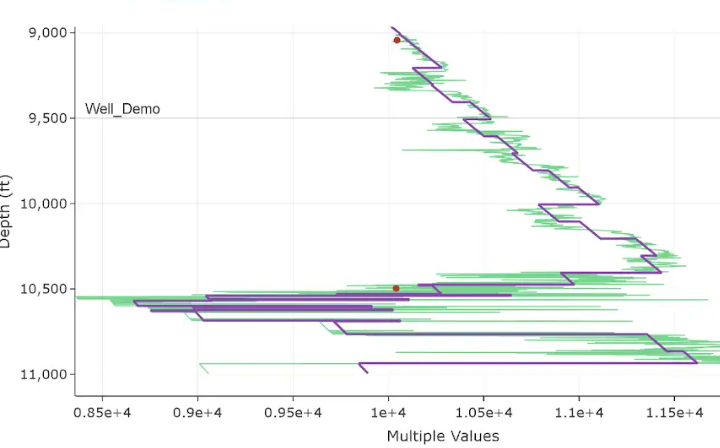
This tutorial provides a step-by-step guide to using the Properties vs. Depth Wizard in ResFrac to calculate and visualize Shmin. It includes a review of common industry methodologies, including Eaton, Extended Eaton, and Viscoelastic Stress Relaxation (VSR) methods.
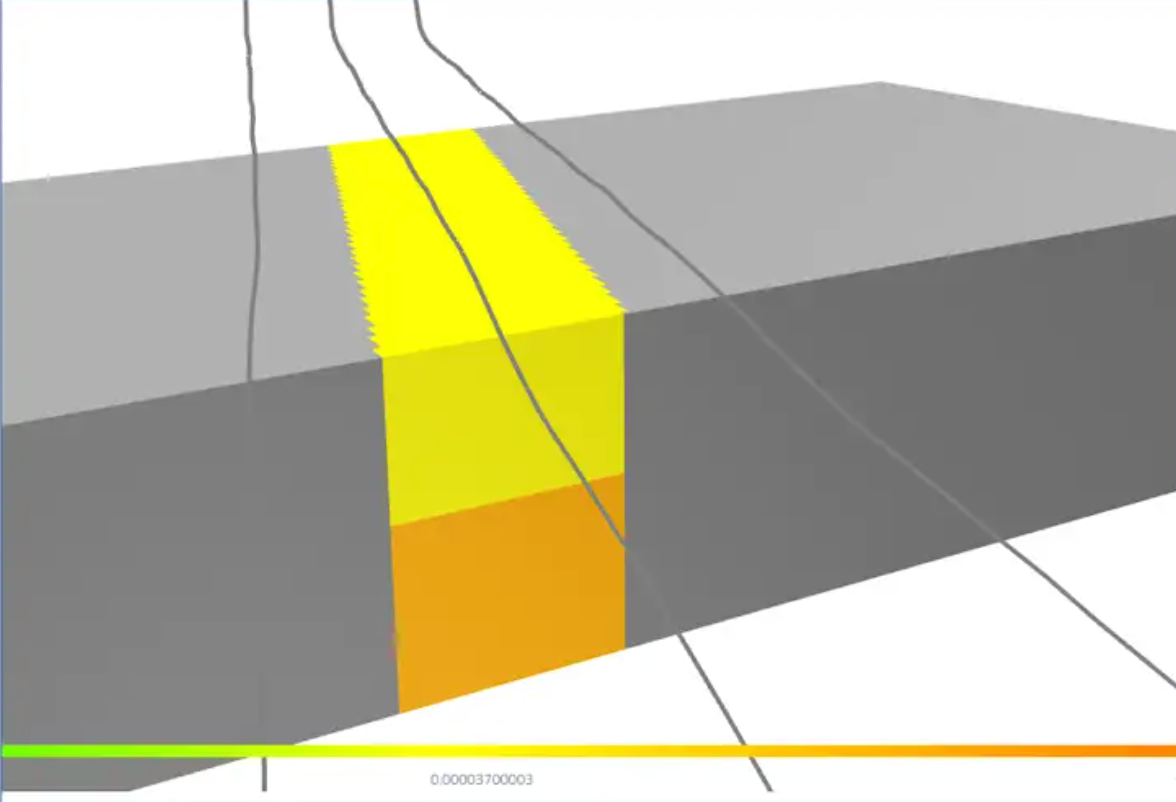
Zero permeability cubes impose no-flow boundaries within a defined region of the simulation grid, approximating the drainage depletion from offset wells or stages. This document explains how to define and activate zero permeability cubes in ResFrac.
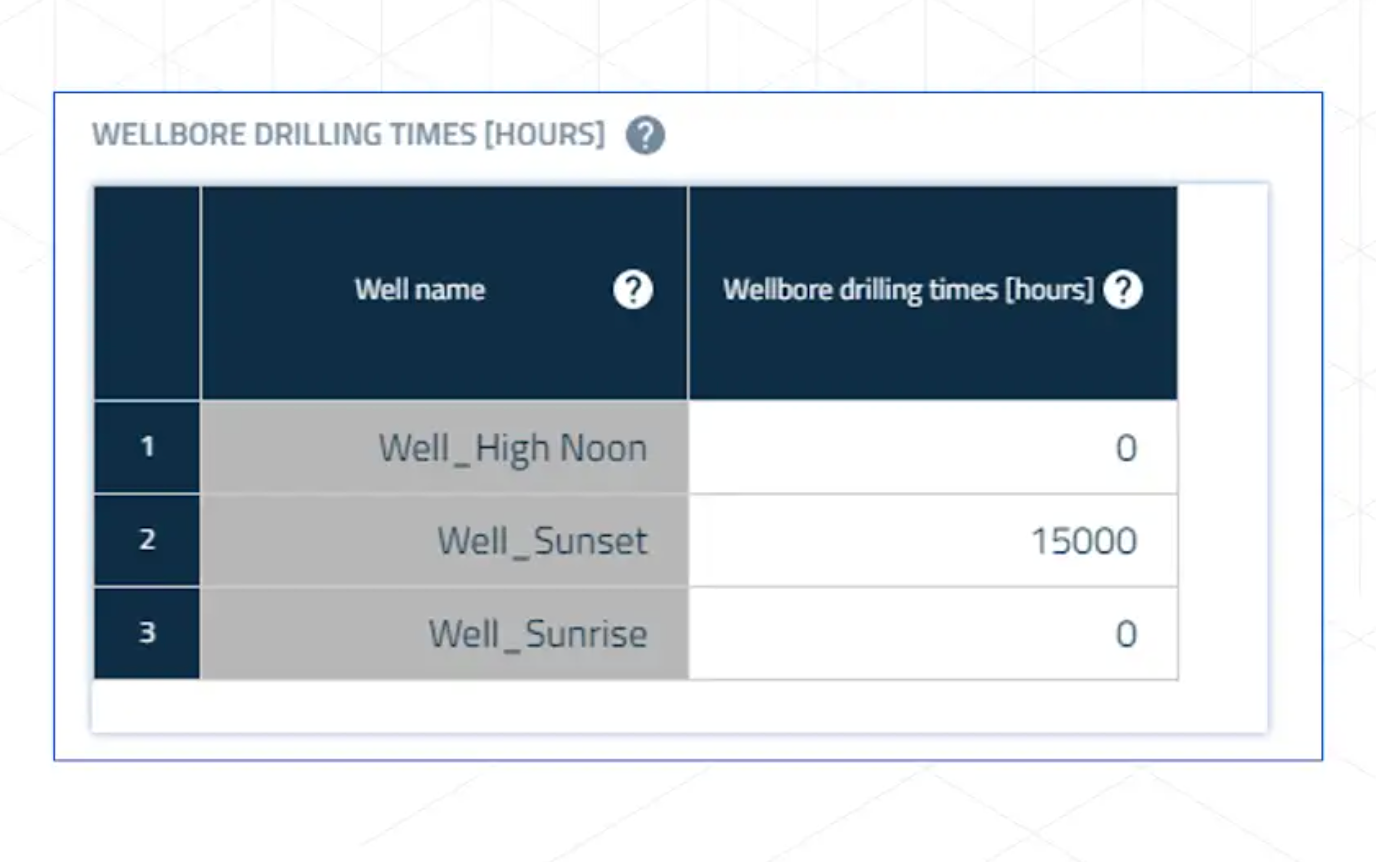
Wellbore drilling times allow you to introduce new wells into a simulation partway through, rather than having all wells present from the start. This document explains how to use drilling times for parent/child well modeling and restart simulations.
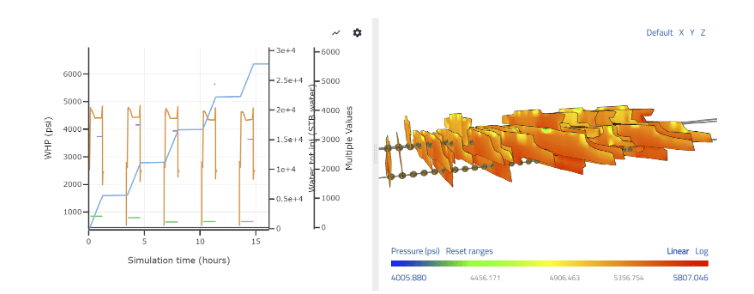
Well Data Labs and ResFrac collaborated with Devon Energy is demonstrate an automated workflow for calibrating ResFrac models to Sealed Wellbore Pressure Monitoring (SWPM) data from HFTS 1 Phase 3 refrac project in the Eagle Ford. The workflow we followed was the same as that in our blog post tutorial on using Volume to First Responses (VFRs) from SWPM.
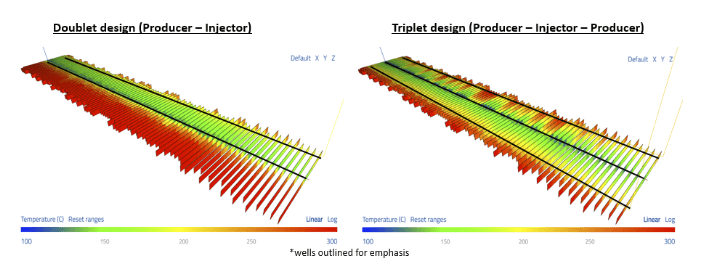
ResFrac lends itself particularly well to the optimization of hydraulically stimulated geothermal wells. ResFrac not only computes fracturing and reservoir flow simultaneously, but also calculates thermal stress changes and supercritical fluid properties. Fowler and McClure (2021) evaluate three geothermal designs: a closed-loop, a closed-loop with thermally conductive fractures, and an open-loop multi-lateral.
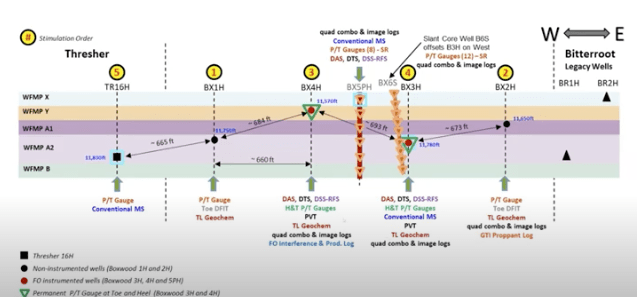
HFTS 2 is one of the highly measured hydraulic fracturing pads in the world. In 2021, the HFTS 2 consortia and ResFrac collaborated on a modeling study to incorporate all the advanced diagnostics in HFTS 2 into a single, comprehensive model. This model was then employed in an automated optimization workflow to assess opportunities to improve NPV by adjusting well spacing, proppant loading, fluid loading, cluster spacing, and landing zone. Pudugramam et al. presented the ResFrac model calibration and optimization in URTeC 3723620 in 2022, showing a 60% possible improvement in NPV by optimization of well placement and completion design.
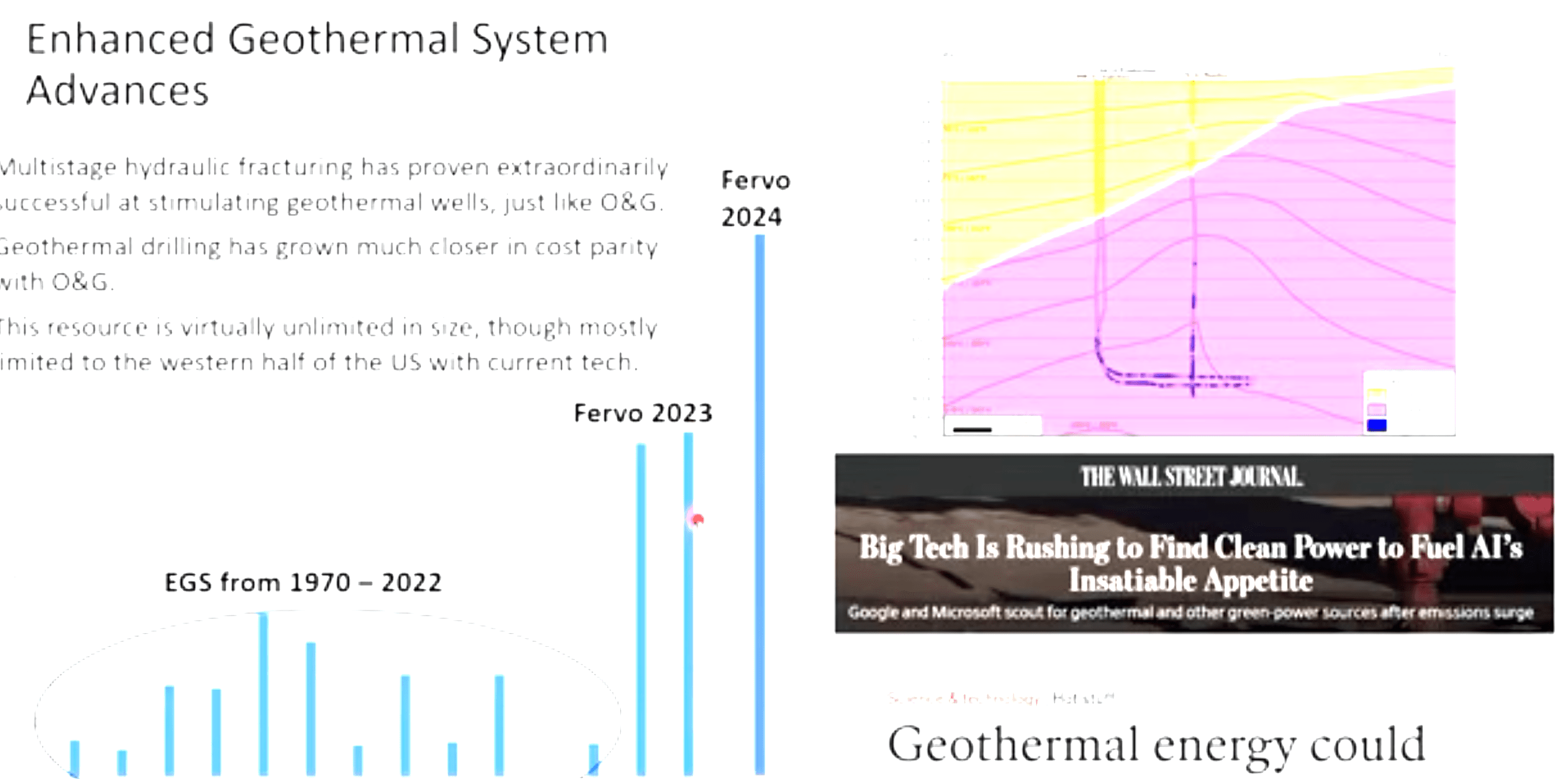
Hydraulic fracturing has quickly become the go-to simulation method for unconventional geothermal/EGS, creating flow pathways and strong production uplift. But it’s value doesn’t stop there. For this month’s Office Hours, Julian McDowell shared insights on why conventional geothermal developers should also be considering hydraulic fracturing – especially in settings where wells narrowly miss high‑conductivity faults, or where matrix permeability alone limits flow.
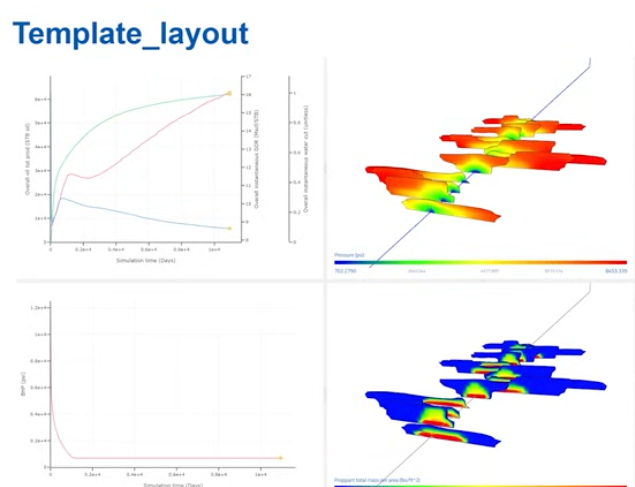
Running a high-fidelity simulation of the full well life cycle takes real work! Now we’re making it easier to share that work. Our new report generator exports summaries of your simulations- you can upload your own slide template and specify exactly what goes into the report. Pair it with your favorite LLM and you’ll cut your presentation prep time even further!
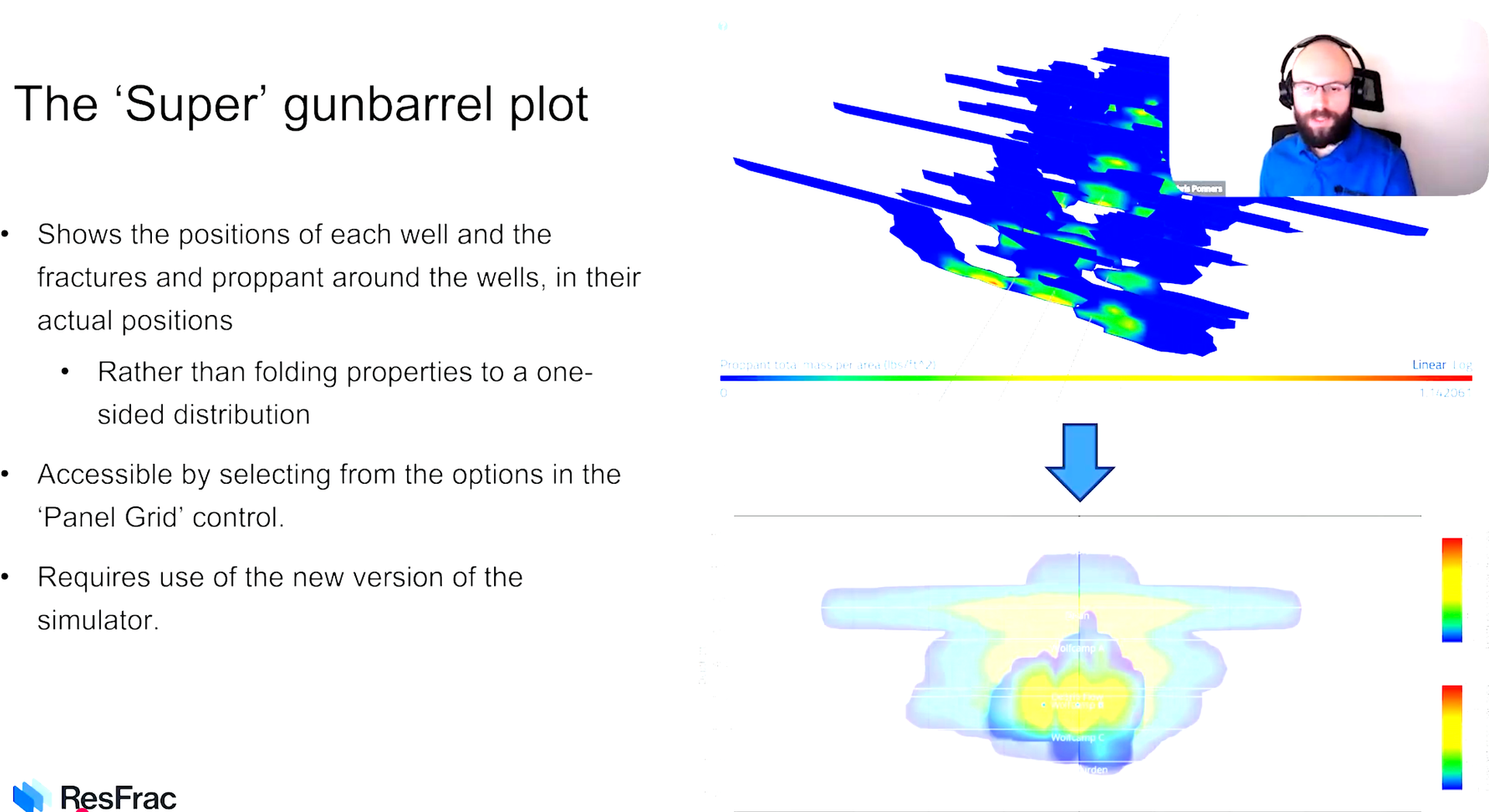
For this month’s Office Hours, Chris Ponners continued a walkthrough of the new capabilities introduced in the ResFracPro June release. He covered new economic calculation options spanning oil and gas, geothermal, and EOR applications; expanded relative-permeability model options; and a variety of additional physical and numerical improvements to ResFracPro.